The City of Grants Pass Hazardous Tree Program can pay up to 50% of the cost to remove a hazardous or dead tree in the city right-of-way, grind its stump and plant a replacement. It needs a city permit, a city inspection and at least three bids from city-approved, ISA-certified arborists. A company reached through (541) 507-9679 may not qualify, so read this first.
What the program pays for
The Hazardous Tree Program is a cost-share for street trees, often called the 50/50 program. The city's Tree Programs page says that if a tree is found hazardous, the city will cover up to 50% of the total cost of removal, stump grinding and replacement with an approved tree in the right-of-way.
The program is limited in two ways. The tree permit application says the program provides funding "when available," and that the city will pay up to 50% "if approved and the funding is available." The city's urban forestry page describes the money as limited. A tree can qualify and still go unfunded in a given year, so do not count on the payment until the city approves it in writing.
Who qualifies for the program
The program is for property owners in Grants Pass who have a hazardous or dead tree in the public right-of-way. The city's own pages set out each condition.
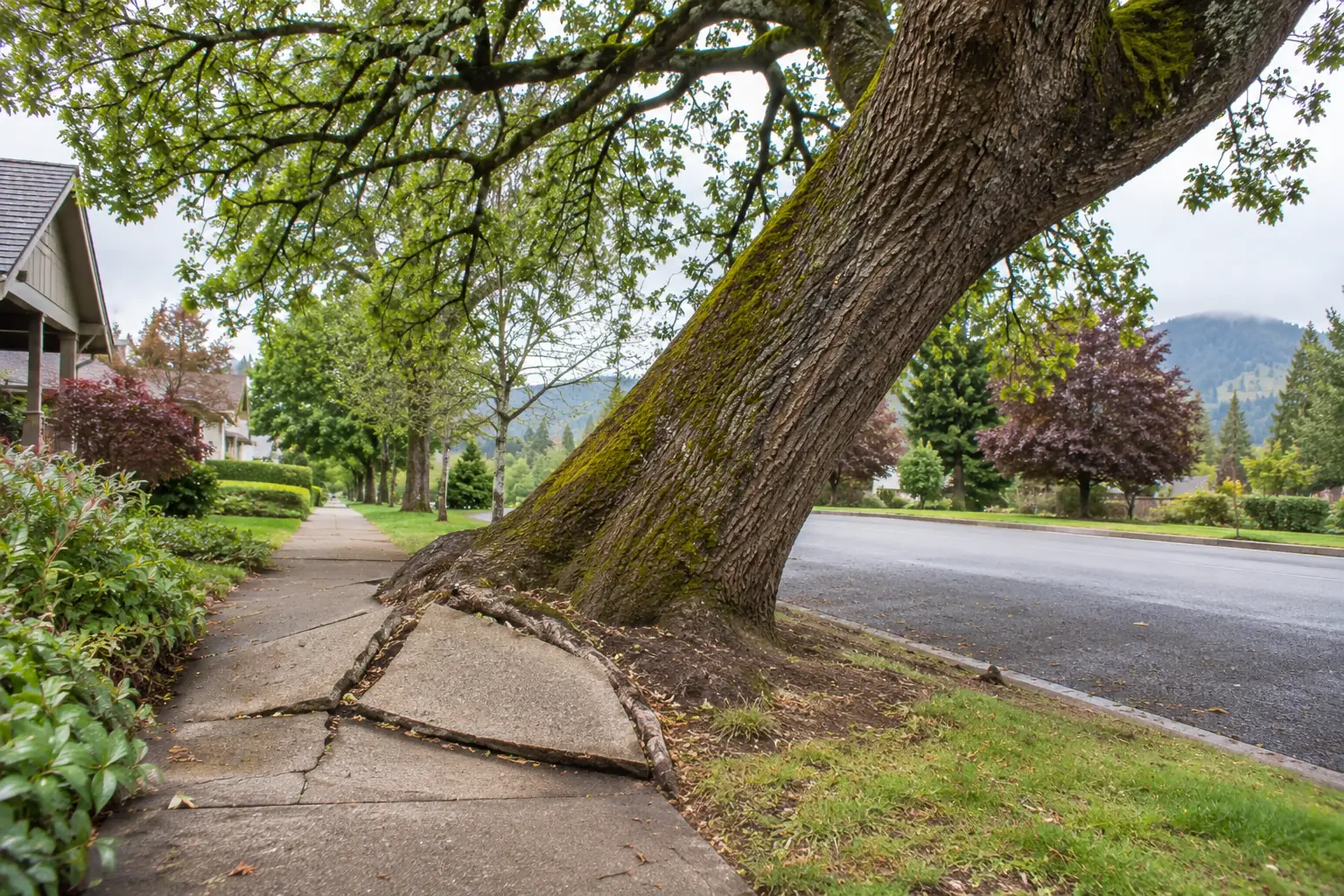
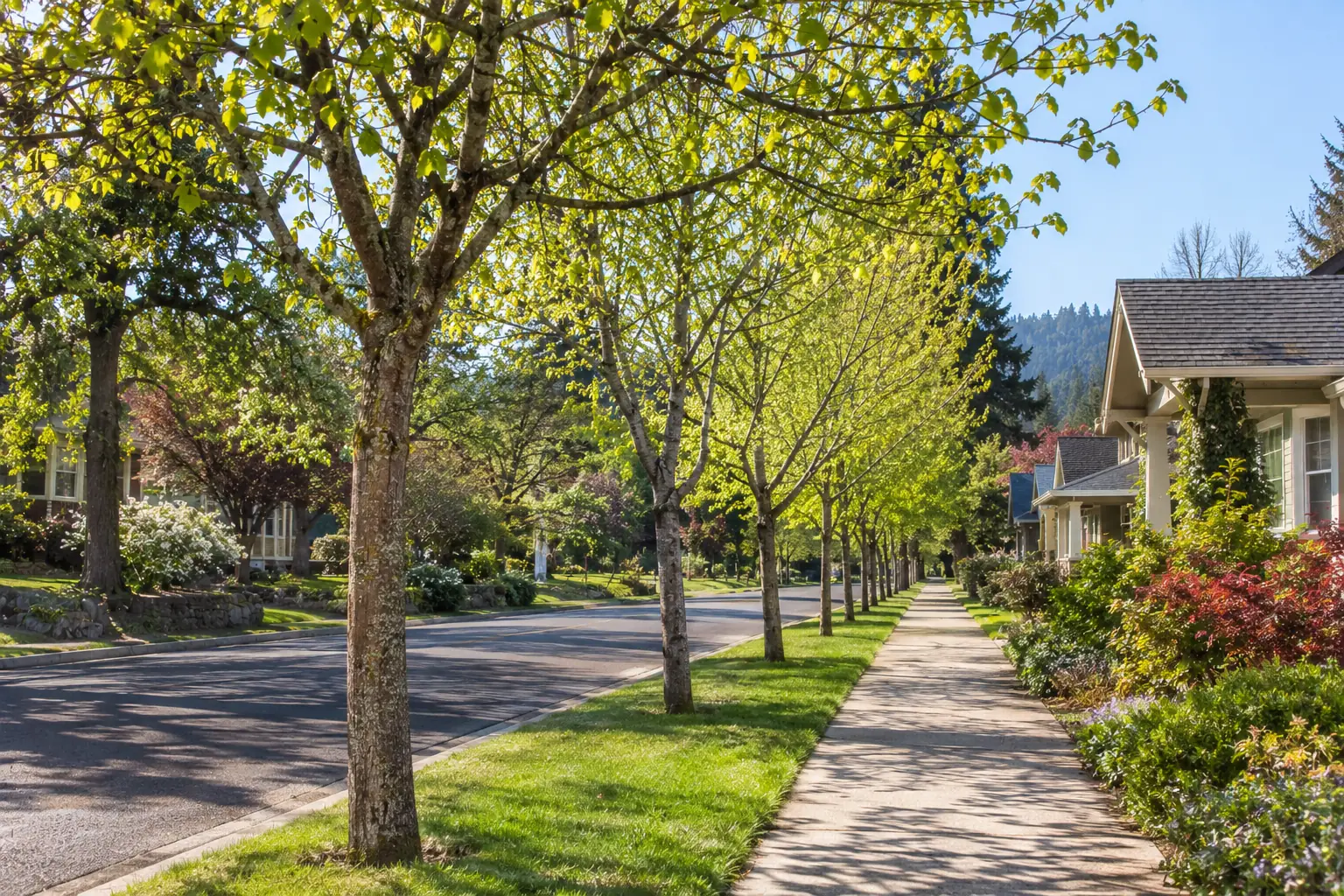
- The tree must be in the city right-of-way. The city's Hazardous Tree Program page says the program helps with hazardous trees in the city right-of-way. The urban forestry page describes the right-of-way as the area between the curb and the sidewalk. A tree wholly in your private yard does not fit.
- The tree must be found hazardous or dead. The city inspects the tree at no cost. The permit application says that for a removal without a hazardous tree designation, the city will not provide financial assistance and may deny the removal.
- You must get at least three bids. The program page says the owner must submit a minimum of three written bids from approved arborists to the City Streets Division for approval. The permit application says the bids must come from approved certified arborists.
- The work must follow the permit. You need a city tree permit before any removal or pruning starts.
Under the city code, the landowner is responsible for removing a hazardous tree rooted on their land, including in the right-of-way. The program shares that cost. It does not move the responsibility to the city.
The arborist rule, and why a referral may not qualify
The city requires right-of-way tree removals to be done by a contractor it has prequalified, and those contractors must be ISA-certified arborists. This is the condition most likely to rule out a company you find on your own.
The tree permits page says a city-prequalified arborist must do removal and pruning work and complete the application with the landowner's consent, and that prequalified contractors must hold International Society of Arboriculture certification. Section 10.01.900 of the city tree code makes it unlawful to work in the business of removing trees in public areas of the city without ISA certification and liability insurance. The prequalified list attached to the permit application, revised November 18, 2026, named eight contractors.
This site is a general referral service. The independent, CCB-licensed company you reach through (541) 507-9679 may not be on the city's prequalified list, and one referral gives you one bid, not the three the program requires. A CCB license alone does not make a company eligible for this program. If you want the 50/50 cost share, use the city's prequalified list to collect your bids. If the company you are connected with says it is prequalified, check that against the current list before you count its bid.
Step by step through the program
The program has a set order, and skipping a step can cost you the reimbursement. Based on the city's program page and permit application, the steps run like this.
- Request an inspection and file the permit. The Tree Programs page says to file a tree permit application before taking action. The city then inspects the tree at no cost.
- Get the hazard decision. If the city finds the tree hazardous or dead, it may qualify for the cost share. If not, there is no financial help.
- Collect three written bids. Get at least three bids from approved, prequalified ISA-certified arborists and send them to the City Streets Division.
- Wait for bid approval. Once the city approves a bid, arrange for the work to be done by the date the city sets.
- Have the work done under the permit. The prequalified arborist completes the application, including a project sketch and a traffic control plan. Removal, stump grinding and replanting follow the permit.
- Plant the replacement. The application says removed trees must be replaced within four months, or by a date agreed in writing. The new tree must be at least 1.75 inches in caliper and come from the city's approved list.
- Submit receipts. After the work is done and the new tree is planted, send your receipts to the city for reimbursement.
Applications go to City Hall at 101 NW A Street, Grants Pass, OR 97526, or by email to tree@grantspassoregon.gov.
What happens if the work is not done
The city enforces its deadlines on hazardous trees. Its program page lays out what happens when an owner does not act.
If the required work is not finished, the city issues a notice of violation with a short time to complete it. If the work is still not done, the city removes the tree itself and places a lien on the property for the cost of removal or replacement, plus a 20% administrative fee. The program page also says the city may offer a payment plan to owners facing financial hardship. If cost is the barrier, ask about that early rather than letting the deadline pass.
If the city sent you a hazardous tree letter
Some owners first learn about a hazardous street tree from the city. The permit application includes a box for owners who received a hazardous or dead tree removal letter from the city.
If you got one, read the dates in it closely. Contact the city to ask whether the tree qualifies for the 50/50 program and whether funding is available this year. Then start collecting bids from the prequalified list right away, since getting three written bids can take time. The city's main line is 541-450-6000, and the urban forestry line is 541-450-6164.
Trees the program does not cover
Many hazard trees in Grants Pass fall outside this program, and for those, a general referral works fine. The program covers only hazardous or dead trees in the city right-of-way.
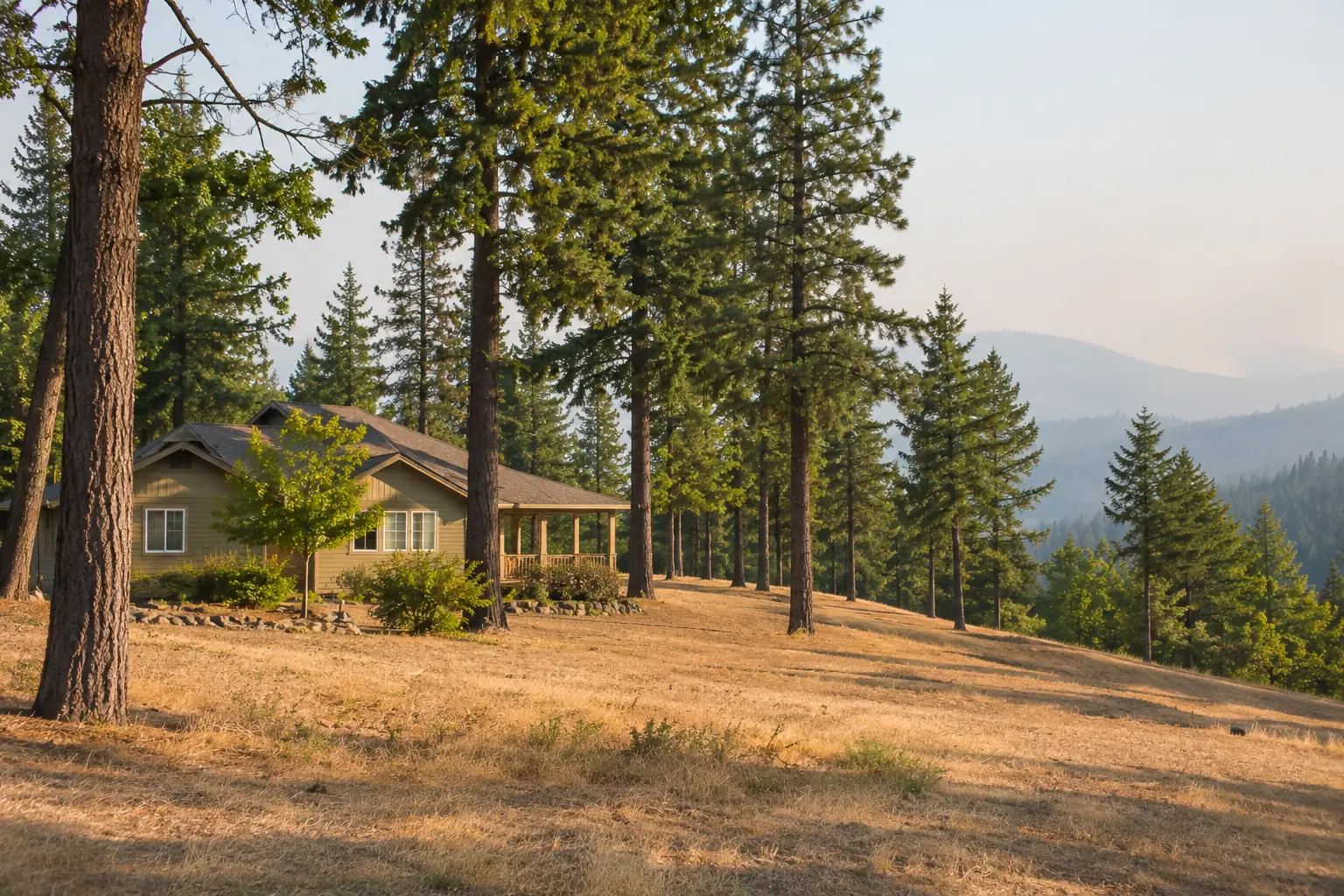
A dead fir in the backyard, a cracked oak by the house or a leaning pine at the back of the lot is a private tree. The city's cost share does not apply, and no city prequalification is needed for the company. That is where a call to (541) 507-9679 fits. You reach one independent Grants Pass-area tree service holding an active Oregon CCB license. Have it size up the tree, and check that pricing one yard tree carries no fee, which is the usual case. See hazard tree removal in Grants Pass for warning signs, the tree removal cost guide for price ranges and the Grants Pass tree rules guide for the permit details. Owners in nearby towns such as Merlin or Murphy live outside city limits, where the program does not apply. For an overview of the line, see the Grants Pass tree removal home page.
Frequently asked questions
Does the city pay half of every street tree removal?
The city pays only for trees it finds hazardous or dead, in the right-of-way, when funding is available and the program steps are followed. It covers up to 50% of removal, stump grinding and replacement. A healthy tree you simply want gone gets no help, and the city may deny that removal.
Can I use the company from this referral service for the program?
Only if that company is on the city's current prequalified arborist list and holds ISA certification. This service connects you with an independent, CCB-licensed company, which may not be on the list. The program also needs three written bids, so you would need two more from approved arborists either way.
Is a tree in my front yard covered?
It depends on where the tree is rooted. A tree in the planting strip between the curb and the sidewalk is in the right-of-way and may qualify. A tree farther back on your own lot is a private tree, and the program does not cover private trees. Call the city at 541-450-6000 if you are unsure where the line falls.
How long does the city give me to replace the tree?
The permit application says removed trees must be replaced within four months of removal, or by a date agreed in writing with the city. If you miss that date, the city may plant the tree and bill you.
What if I cannot afford my half?
The city's program page says it may offer a payment plan in cases of financial hardship. Contact the city before the deadline in any notice you receive, and explain your situation.